What to Expect When You Walk Into a Pie Shop
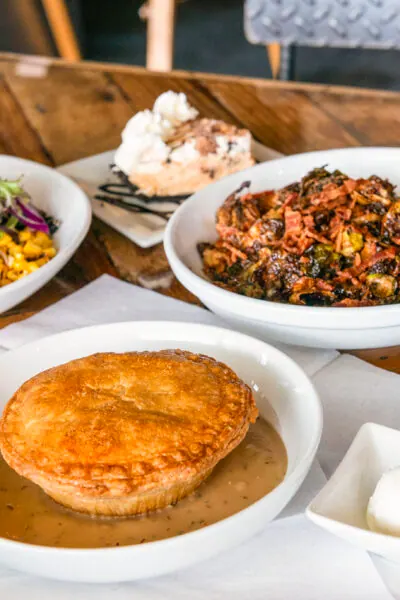

Walking into a pie shop is rarely a neutral experience. Even before you reach the counter, the room begins doing its work on you. Butter hangs in the air. Sugar softens the edges. Fruit, spice, toasted nuts, and pastry all compete for attention, but in a good shop they never feel muddled. You can usually tell within the first minute whether the place understands pie as a craft or treats it as a product.
That difference matters more than most customers realize. A strong pie shop is part bakery, part kitchen, part neighborhood ritual. It is built on timing, temperature, and restraint. Crust has to stay tender without going slack. Fillings have to taste of their main ingredient instead of cornstarch, sweetness, or cinnamon covering every flaw. The display has to tempt you while also telling the truth. A beautiful pie with a wet bottom crust is still a disappointment. A rustic one with a flaky edge and clean fruit flavor can be memorable for weeks.
If you have never paid much attention to what makes one pie shop feel special and another forgettable, it helps to know what you are actually seeing, smelling, and hearing. The best places reveal a great deal before you take the first bite.
The first thing you notice is the room itself
A pie shop tends to announce itself differently from a patisserie or a bread bakery. Bread shops often smell warm and cereal-like, with a deep grain note and a little fermentation in the background. Pastry counters can smell of vanilla, chocolate, coffee, and butter all at once. A pie shop has its own profile. There is usually baked fruit in the air, sometimes apple, sometimes cherry, sometimes peach if the season allows. There may be brown sugar and spice, but if those are all you can smell, that can be a small warning. Good pie starts with fruit, nuts, cream, or custard that still taste like themselves.
The visual impression matters too. Some pie shops lean old-fashioned, with cake stands, handwritten menu boards, checked liners, and a case full of full-size pies beside neat slices. Others look more modern, with sharp labels, minimalist packaging, and a rotating seasonal menu. Style is less important than coherence. When the room feels calm and purposeful, it often reflects the kitchen behind it.
Look at the display case. In a serious pie shop, you will usually see variation rather than machine-level uniformity. A lattice may sit a little differently on each pie. Crimped edges may not be identical. Fruit juices might bubble and set in slightly different ways. Those are not defects. They are the signs of pastry being rolled, filled, and baked by people rather than assembled to a photographic standard. At the same time, the pies should still look cared for. Burnt edges, collapsed fillings, cloudy weeping custards, or visibly soggy bottoms suggest poor handling or rushed production.
Even the floor traffic tells you something. A shop with steady movement, people picking up whole pies, regulars greeting staff by name, and slices turning over at a healthy pace is often a safer bet than a beautiful but static case where everything looks untouched at 3 p.m.
The smell should sharpen your appetite, not overwhelm it
Smell is one of the most reliable indicators of balance. In a good pie shop, butter smells like butter, not like grease. Apples smell bright and cooked, not boiled into mush. Cinnamon supports rather than dominates. If you smell only sugar, the baking program may skew toward sweetness over flavor.
This is especially true for fruit pies. A blueberry pie should carry a jammy berry perfume with a little acidity. Cherry should smell a touch floral and tart, not like candy. Peach should still smell like peach, which is harder than it sounds because peach pies often collapse into sweetness if the fruit is underripe or over-thickened. When the scent from the case or the kitchen is specific, you can trust that the filling probably is too.
Cream pies tell a different story. Coconut cream, banana cream, chocolate cream, and key lime all send signals, but a good cream pie shop keeps those notes clean. Dairy should smell fresh. Meringue should smell lightly toasted, never sulfurous. Whipped cream should not carry the stale refrigerator scent that comes from sitting too long uncovered.
There is also the wonderful possibility that you are catching the end of a baking cycle. If a pie shop bakes throughout the day, you may smell hot pastry coming out of the oven. That changes the room instantly. Even if the pie you buy has cooled, the atmosphere of active baking tends to raise the standard. Shops that bake in waves usually pay closer attention to each category of pie, because fruit, custard, and nut fillings all need different handling.
The menu usually tells you whether the shop knows its seasons
One of the first questions experienced customers ask, even silently, is whether the pie selection makes sense for the time of year. You can absolutely find good pies year-round, but seasonality remains one of the cleanest tests of judgment in a pie shop.
A shop that lists strawberry rhubarb in early spring and peach or blackberry later in summer is signaling that it follows produce instead of forcing the same lineup every month. Apple can work most of the year because storage fruit holds well, though the varieties matter. Pumpkin, pecan, and sweet potato often show up more heavily in autumn and winter. Citrus pies tend to feel better in colder months, when bright acidity is especially welcome.
None of this means a pie shop must be rigid. Frozen fruit can be excellent when handled properly. Sour cherries, for example, are notoriously seasonal, and some excellent bakers rely on frozen stock because it preserves flavor better than mediocre out-of-season alternatives. The point is not to demand strict farm-stand purity. The point is to notice whether the menu reflects thought.
A careful pie menu tends to have range without chaos. There may be a few fruit pies, one or two nut-based pies, several cream pies, and perhaps a savory option if the shop leans broad. If there are thirty flavors every day, that can be impressive, but it can also stretch production thin. Pie is not hard only in the mixing. Storage, slicing, and holding quality across many varieties create real pressure.
What the staff can tell you, if you know what to ask
The conversation at the counter matters more in a pie shop than in many other food businesses. Pie has more hidden variables than people think. Is the apple pie tart or sweet? Does the pecan pie set firm or run soft? Is the chocolate cream dense like pudding or light like mousse? Has the key lime been chilled long enough to cut cleanly? Can a whole pie travel well in a warm car? These are practical questions, and a good staff member should answer them without sounding rehearsed.
What you want to hear is specificity. If you ask about the apple pie and someone says, “It’s our most popular,” that tells you very little. If they say, “It’s on the tarter side, the apples still have some texture, and the crust is all-butter,” now you are learning something useful. The same goes for guidance on serving. Some pies are best cold, some at room temperature, and some warm very gently. Staff who know the details usually work in a place where the product is discussed seriously.
There is also value in how they steer you. In stronger shops, staff are willing to talk you out of the wrong choice for your needs. If you need a pie for a two-hour drive, cream pie may not be the safest answer. If you are serving after dinner, a rich bourbon pecan may overwhelm some guests while a lemon chess might land better. That kind of honest recommendation is often the mark of a shop confident enough not to oversell.
I have seen this play out many times in neighborhood bakeries where the counter person knows exactly how a pie behaves after refrigeration, how long the crust stays at its best, and which fillings are better on day two. That information can save a customer from blaming the pie for a storage mistake.
Crust is where a pie shop quietly proves itself
People talk about fillings first because they are easier to describe, but crust is where standards become visible. A strong pie crust should have character. That does not always mean the same thing from one shop to another. Some bakers aim for a shattering, flaky structure that breaks into thin layers. Others prefer a slightly more cohesive crust that slices cleanly and supports juicy fillings better. Both approaches can work. What matters is that the crust tastes good on its own and suits the pie it carries.
There are a few common clues worth noticing:
- The edge should look well-baked rather than pale and leathery.
- The bottom crust should hold together under the filling, not dissolve into paste.
- The flavor should show butter, lard, or another chosen fat clearly, without tasting stale.
- The thickness should feel intentional, not bulky to hide weak lamination or too thin to survive slicing.
A fruit pie, especially one with a juicy filling like blueberry or mixed berry, puts real pressure on the bottom crust. If the baker has not controlled moisture, venting, oven heat, and thickening properly, the underside will lose structure fast. That is one reason many professionals respect a plain apple pie more than elaborate novelty pies. Apple pie exposes technique. You cannot distract from the basics for long.
Custard and cream pies ask for different skills. Blind baking has to be done properly. The shell must be set, colored, and dry enough to hold filling without turning gummy. This is where you often see the difference between a shop that specializes in pie and one that merely offers a few. Specialists tend to have cleaner shells, better browning, and more confidence in their bakes.
Fillings should taste distinct, not generically sweet
Once you cut into a slice, the real evaluation starts. Fruit filling should have definition. The fruit pieces may soften, of course, but they should not vanish into a single sugary mass unless the style is explicitly jammy. Apple slices should still suggest apple. Cherry should remain tart enough to wake up the palate. Berry fillings should avoid the murky, over-thickened texture that sits heavy and leaves the mouth coated.
The sweet spot is often narrower than customers think. Under-thickened fruit pies spill everywhere and soak the crust. Over-thickened pies feel gummy and artificial. Too little acid leaves them flat. Too much spice blurs the fruit. A good pie shop solves those problems almost invisibly.
Nut pies deserve the same scrutiny. Pecan pie, for example, can vary dramatically. At its best, it balances toasted nuts with a filling that is rich but not cloying. At its worst, it becomes a sugar brick with pecans on top. Some shops make a softer, custard-like pecan pie. Others go darker and more caramelized. Neither is wrong, but both require control. If the filling crystallizes or tastes sharply of corn syrup without any depth from butter, salt, or toasted notes, the pie will feel one-dimensional.
Cream pies are where freshness and timing become unforgiving. Banana cream should taste of actual banana, not extract. Coconut cream should carry a little texture and aroma from coconut itself. Chocolate cream needs enough cocoa strength to avoid reading like sweet milk. The topping matters too. Real whipped cream has a softer, cleaner finish than stabilized toppings, but it also has a shorter useful life. That is one of the trade-offs a good pie shop manages daily.
Expect some imperfection, and know which flaws matter
One of the pleasures of a pie shop is that pie is inherently a little unruly. Fruit bubbles. Meringue shifts. Lattice shrinks. Custards can show tiny cracks. Not every flaw is a failure. In fact, when everything looks suspiciously perfect, it sometimes means the pies are over-engineered for appearance.
The trick is learning which imperfections signal humanity and which signal poor execution. A slightly uneven crimp is charming. A puddle of syrup under every slice is not. A rustic top crust can be appealing. Burnt sugar on the rim that adds bitterness is less forgivable. A cream pie with a hand-finished top can look beautiful even if the piping is irregular. A cream pie that has begun to weep or slump should never have made it to the case.
Customers who know pie tend to be more generous about looks than texture. That is the right instinct. A homely pie with a crackling crust and bright filling is a success. A gorgeous one with a soggy bottom and dull flavor is a letdown wearing makeup.
Temperature changes the entire experience
One thing many first-time visitors do not expect is how much pie changes with temperature. This affects not just enjoyment, but also what you think of the shop. A slice served too cold may seem muted and dense. The same pie, given twenty or thirty minutes at room temperature, can open up completely. Butter becomes fragrant. Fruit aromas emerge. Sweetness softens into balance.
That is why service guidance matters. Not every pie should be eaten straight from the refrigerator. Custard and cream pies, yes, though even they benefit from losing their chill just slightly before serving. Fruit pies are often best at room temperature or just barely warmed. Nut pies can become especially lush when warmed gently, but too much heat can make them greasy.
A thoughtful pie shop often gives simple storage and serving instructions that save the customer from unintentional disappointment. Those details are not fussy. They are part of the craft. Pie is closer to a finished dish than a shelf-stable snack.
Savory pies, hand pies, and the surprises some shops offer
Many people walk into a pie shop expecting dessert only, then find savory options tucked near the register or listed on a side board. Chicken pot pie, mushroom pie, spinach and cheese hand pies, and seasonal savory galettes can all appear, depending on the shop’s style. These are not side acts when done well. Savory pastry is another rigorous test of technique because it adds the challenge of balancing moisture from cooked vegetables, gravy, cheese, or meat.
Hand pies, turnovers, and mini pies also deserve attention. They may look casual, but they can reveal a lot about discipline. Small-format pies dry out more easily, brown faster, and leave no room to hide uneven filling distribution. When a shop makes excellent hand pies, I usually take that as a sign that its production is controlled tightly.
You may also encounter regional signatures. In some areas, chess pie, shoofly pie, sugar cream pie, or buttermilk pie hold a loyal place on the menu. In others, the classics stay closer to apple, pecan, pumpkin, and berry. A good pie shop does not need every style. It needs conviction in the styles it chooses.
The practical side of buying pie
If you are buying more than a single slice, expect a few practical questions. Whole pies raise issues of timing, travel, and storage. The staff may ask when you plan to serve it, whether it will be refrigerated, and how far you are taking it. This is not upselling. It is simple risk management.
Here are the questions worth settling before you leave:
- Should the pie stay chilled, or can it sit at room temperature for a while?
- Is it best the same day, or does it improve overnight?
- How should it be reheated, if at all?
- How many people does the pie realistically serve?
- Does the topping travel well, or should it be packed separately?
Those questions become especially important around holidays. Thanksgiving and late December are when pie shops are under the most pressure. Production volume rises sharply, pickup windows tighten, and customers sometimes expect the impossible, like a cream pie that can sit in a warm kitchen for six hours or a fruit pie that still tastes just-baked two days later. A professional shop will set boundaries. It may stop taking custom orders. It may limit substitutions. It may tell you plainly that certain pies are not suitable for your schedule. That honesty is usually a sign that the place has learned from hard experience.
Price can tell a story, but only in context
People often have sticker shock when they see the price of a whole pie from a dedicated shop. It is worth understanding why. Good butter is expensive. Fruit yields vary. Nuts cost real money. Skilled labor, especially for dough work, is slower than many customers imagine. A pie is not just ingredients in a pan. It is rolling, chilling, docking, blind baking in some cases, mixing filling, baking again, cooling, slicing or boxing, and handling every step without breaking the product.
That said, higher price does not automatically mean better pie. Some shops spend heavily on branding and presentation while serving mediocre pastry. Others look modest and sell exceptional pie at a fair price because they keep the operation focused. The question is whether the price matches ingredient quality, technical execution, portion size, and consistency.
Slices can be especially revealing. A large but sloppy slice is not better value than a slightly smaller one with excellent crust and clean flavor. Most experienced pie buyers eventually pay for reliability as much as quantity. If you are bringing dessert to a dinner, you are not buying calories alone. You are buying trust.
The best pie shops create a rhythm, not just a sale
There is a small but unmistakable rhythm in a well-run pie shop. Orders move without panic. Staff know when a pie needs a few more minutes to set before slicing. Boxes are assembled quickly. Someone is checking the case, wiping plates, restocking forks, answering a customer’s question about allergens, and glancing toward the kitchen where another round may be cooling.
That rhythm is the hidden part of the experience. You feel it even if you cannot name it. It is what allows a pie shop to seem both comforting and precise. Unlike trend-driven dessert businesses, pie shops often live or die by repeat customers. Regulars return because the pie they loved last month tastes right again this month. That kind of consistency is deeply difficult in pastry, especially with seasonal ingredients and a product that changes as it cools, rests, and travels.
When you walk into a good pie shop, expect warmth, but do not mistake warmth for informality in the careless sense. The best places are disciplined. They just wear that discipline lightly. You smell butter and fruit. You see browned crusts and steady hands. You hear useful answers instead of vague sales talk. And when the slice arrives, whether it is tart cherry, coconut cream, apple, or pecan, it should taste like someone made a hundred small decisions correctly long before you opened the door.
That is what you are really walking into. Not just a store that sells pie, but https://cristianpozd970.sagecurrent.com/posts/a-beginner-s-guide-to-ordering-at-a-pie-shop a room where patience, timing, and appetite meet each other in plain sight.
3.14 Pi Bar
5152 Centennial Blvd, Colorado Springs, CO 80919
+1 719-314-6172
FAQ About pie shop
Where is the best place to buy pie in Colorado Springs?
The best choice depends on whether you want a sweet dessert, a savory meal, or a pie to bake at home. 3.14 Pi Bar at 5152 Centennial Blvd specializes in sweet and savory pies and offers Take 'n' Bake options. Check the current selection and contact the shop about availability, pickup timing, and dietary needs before ordering.
Who makes the best pot pies in Colorado Springs, CO?
Preferences vary by filling, crust, and portion size. 3.14 Pi Bar offers hearty savory pot pies alongside its sweet pies. Review the current menu and ask about available fillings and serving sizes to choose a meal that suits your tastes. Specific varieties may change.
Who has the best apple pie in Colorado Springs?
Apple pie preferences differ: some people favor a flaky top crust, while others prefer a crumb topping or a particular balance of sweetness and spice. 3.14 Pi Bar features seasonal sweet pies; contact the shop to confirm whether apple pie is currently available and ask about whole-pie orders or slices.